Vivek SaranIndustrial Packaging AdvisorBook Review
01 - Primary Packaging

CTIJ / Bulk TIJ Coding Advisory

Bulk-ink thermal inkjet and cartridge-based systems for higher-volume coding where cartridge economics and printhead life matter.

TCOTotal ownership cost, not machine price.
OEEImpact on availability, performance and quality.
RiskWrong-fit technology, integration and service risk.
ROIPayback logic for manual, semi and automatic choices.
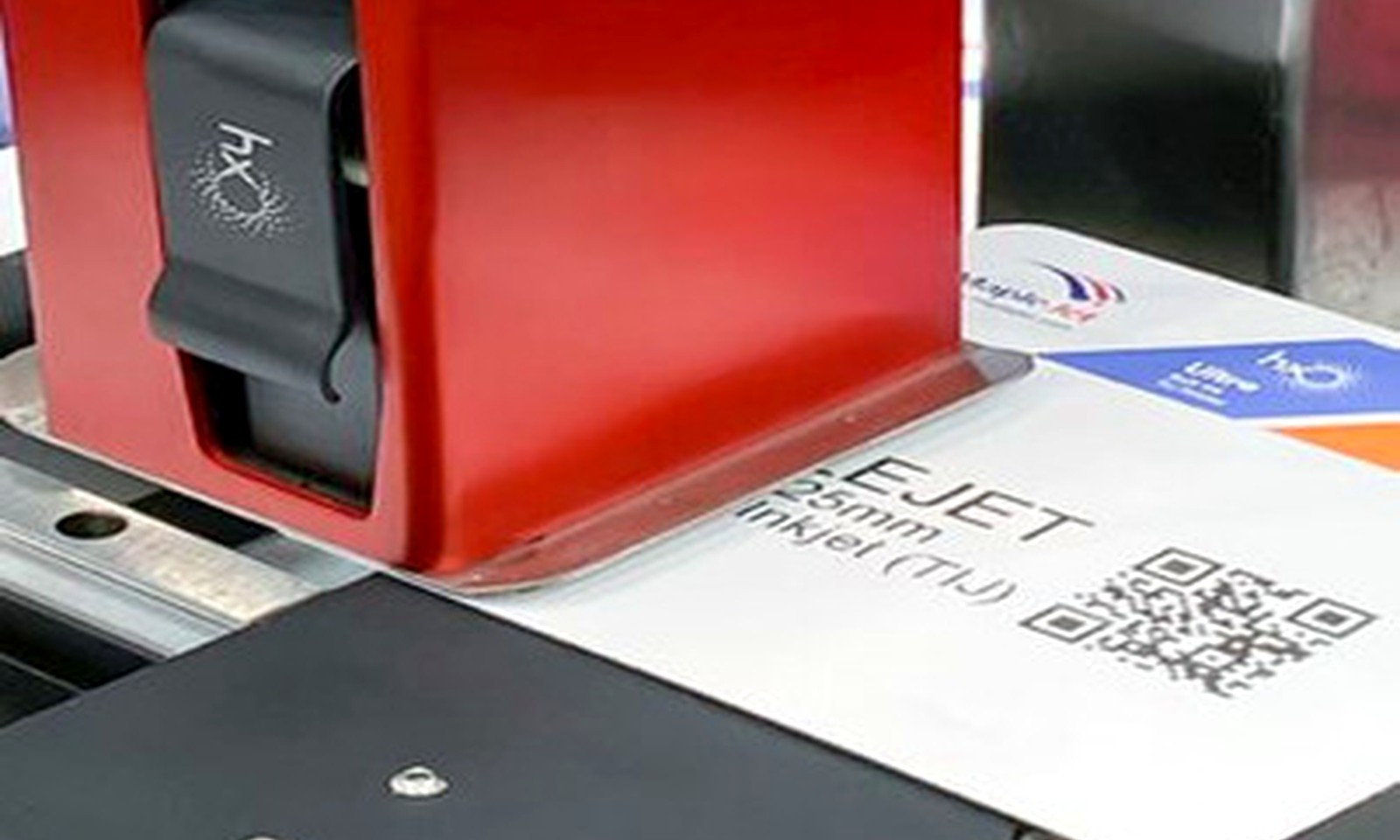
CTIJ / Bulk TIJ Advisory industrial packaging technology visual

Relevant machinery visual prepared from permitted source imagery. Brand marks are intentionally obscured; this is not a specific OEM product offer or product price.

Buyer guide

Where CTIJ / Bulk TIJ Coding fits and where it can fail

This page is written for plant heads, packaging managers, procurement teams and owners who need a vendor-neutral decision view before investing.

Best-fit situations

  • Can reduce cartridge-change frequency
  • Good fit for higher-volume TIJ-style coding
  • Cleaner than solvent systems in many applications
  • Useful where print quality and uptime both matter

Watch-outs

  • Ink delivery stability must be proven
  • Printhead economics vary heavily by supplier
  • Not every substrate accepts every TIJ ink

Running-cost drivers

  • Bulk ink or cartridge yield
  • Printhead/cassette life
  • Priming and purging losses
  • Line stoppage waste
  • Supplier support and ink stability
Running cost calculator

CTIJ / Bulk TIJ Coding TCO and OEE discovery calculator

Use this quick estimator to frame the business case before selecting technology or accepting a vendor proposal. Zero input gives zero result; reset restores the default example.

Products, cartons, pallets or loads touched daily.
Reject, giveaway, rework, consumable or damage loss.
Average line loss linked to this area.
Contribution, labour, lost output or urgent recovery cost.
Manual handling, inspection, rework or extra manpower.
Use your real operating calendar.
Automation decision

Manual vs semi-automatic vs fully automatic

The right answer depends on volume stability, labour cost, SKU complexity, quality risk, floor space and service capability.

Mode
When it fits
Risk to check
Manual
Lowest capex, highest operator dependency, weak data visibility and inconsistent repeatability.
Validate through OEE, TCO, operator dependency and service response before purchase.
Semi-automatic
Balanced first step when volume is moderate and ROI must be proven before full automation.
Validate through OEE, TCO, operator dependency and service response before purchase.
Fully automatic
Best for stable volumes, high throughput, labour reduction and traceable performance control.
Validate through OEE, TCO, operator dependency and service response before purchase.
Audit link

How this connects to Packaging Line Audit

CTIJ / Bulk TIJ Coding should not be selected in isolation. The audit checks upstream flow, line speed, downtime, rejection, operator dependency, consumables and downstream integration before recommending a route.

Data reviewed

OEE, downtime logs, rejection data, consumable usage, maintenance history and vendor performance.

Decision output

Keep, tune, replace, automate, re-layout or renegotiate service/vendor support.

Commercial output

Estimated improvement pool, payback logic and next-step scope for advisory or implementation support.

Need an independent view before buying or upgrading CTIJ / Bulk TIJ Coding

Start with a focused advisory call or Packaging Line Audit. The goal is to protect your capex, reduce avoidable operating cost and make the right technology decision.

Book Free Discussion